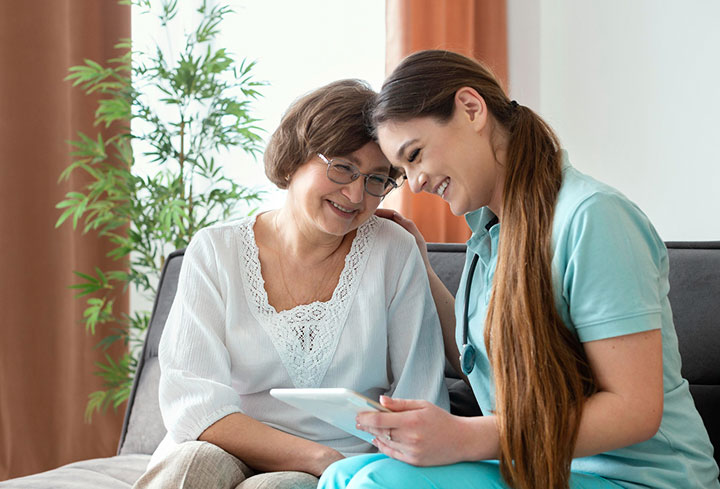
Self-care
Carers are awesome warriors – motivated, passionate, and deeply caring for ‘their person(s)’. Caring for family and / or friends with a rare disease can be mentally and physically challenging. It’s important to learn to manage your own health while supporting the person you care for. This may include talking with other carers (peers), building a friendly support network, or seeking professional help.
Looking after yourself and developing positive coping strategies are important for you and the people you look after. Hints and tips throughout a carer journey include:
- Prioritise self-care: Engage in activities you enjoy, spend time with loved ones, and ensure you’re getting enough rest, good food, exercise, and time to recharge.
- Build a support network: Connect with other caregivers, support groups, patient organizations, faith-based communities, local community groups, or even online interactive team games.
- Seek professional help: Talk to health and social care professionals to explore what help may be available to you. There is no shame in taking professional help on offer – carers don’t have to manage alone; this help is there to support you! Some people find therapy or counselling helps them address stress and anxiety.
- Practice relaxation techniques: Meditation, deep breathing, and mindfulness can help manage stress.
- Learn about the rare condition(s) and associated needs: Understanding the condition and its impact can help you better support the individual you care for.
- Acknowledge your limitations: It’s okay to not know everything and to ask for help when needed. It’s also okay to tell yourself and others, “I just can’t do that”.
- Manage expectations: It can be hard to balance everything you’d like to with what you have time and energy to do. Learning to clearly tell others what is possible is an important step in reducing stress for you and others.
- Practice self-compassion: Be kind and understanding towards yourself, especially during difficult times.
Suggestions below are not medical advice, rather they are things other carers have found helpful.
Una Coyle - Self-Care and Wellbeing
Self-care Guidance


PACE Monthly Plan
Self-care is crucial for carers to maintain their mental health and well-being – how can we support people we care for if we don’t look after ourselves?
Dealing with changing emotions
There is no right or wrong way to feel when caring. Being honest with yourself and acknowledging your feelings are valid is important.Sam RobinsonSelf-Care and Wellbeing
Catherine DonaghySelf-Care and Wellbeing
Health & Wellbeing
Caring for Yourself
Phone
Caring for someone else can take a toll on your own health—physically, mentally, and emotionally especially if you are also working outside the home.
Make sure to:
- Take time for yourself
- Eat healthily
- Exercise regularly
- Rest when you can
Further Information
https://www.publichealth.hscni.net/publications/take-5-steps-wellbeing-english-and-11-translations
Counselling
Feeling overwhelmed or low is not uncommon for carers. If your caring responsibilities are affecting your mental health or family life, counselling can help.
What do I do?
Speak to your GP as a first step. They can refer you to local counselling services.
Also see:
Refer to the Carers Support and Voluntary Organisations section for online and telephone support options.
Dealing with Medication
Carers often help manage medication. Supporting someone with their prescriptions, dosage routines, or pharmacy trips is now widely recognised as an essential caring role.
Further Information:
https://www.nhs.uk/nhs-services/pharmacies/how-pharmacies-can-help/
What do I do?
For help with medication, speak to your local community pharmacy. They can offer guidance on:
- Dosage schedules
- Safe storage
- Medication reviews
Share Your Rare Story
Every caregiving journey is unique and your story matters. Whether you’re a family member, friend, or professional supporting someone with a rare disease, we invite you to share your experiences. Your story could offer comfort, insight, or hope to others walking a similar path.
Submit Your Story